



















Aging and hearing: a key relationship for cognitive health


As we age, it is normal for our bodies to undergo certain changes, and hearing is no exception. Age-related hearing loss, also known as presbycusis, affects millions of people worldwide. However, what many people do not know is that this issue not only affects the ability to hear but also impacts brain health and overall quality of life.
The connection between hearing and cognitive decline
Various studies have shown that there is a direct relationship between hearing loss and cognitive decline. When a person does not hear well, their brain has to work harder to interpret sounds. This extra effort reduces the resources available for other cognitive functions such as memory and attention.
In addition, the lack of auditory stimulation can cause certain areas of the brain to gradually “shut down.” This may accelerate cognitive decline and increase the risk of developing more serious problems over time.
Hearing and dementia: an important link
Untreated hearing loss has been identified as one of the most significant modifiable risk factors in the development of dementia. In particular, a strong relationship has been observed with conditions such as Alzheimer’s disease.
This occurs for several reasons:
- Social isolation: people with hearing problems tend to avoid conversations or social situations.
- Reduced mental stimulation: less interaction means less brain activity.
- Cognitive overload: the constant effort to understand sounds leads to mental fatigue.
All of this can contribute to a faster decline in cognitive abilities.
Strategies to care for hearing in older adults
Fortunately, there are effective measures to protect both hearing and brain health:
1. Regular hearing check-ups
Detecting hearing loss early is essential. Early assessment allows action before the problem worsens.
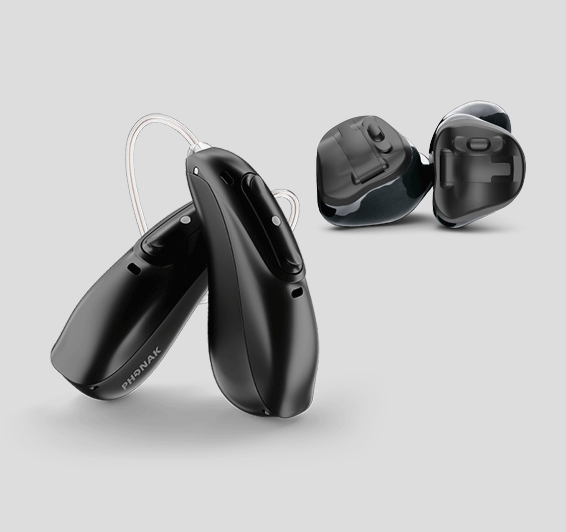
2. Use of hearing aids
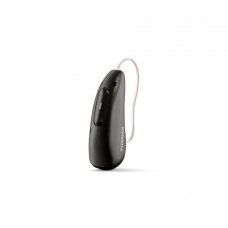
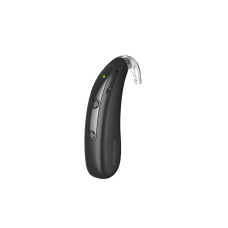
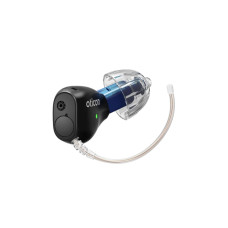
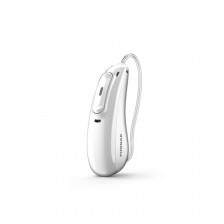
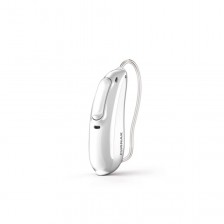
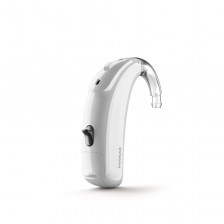
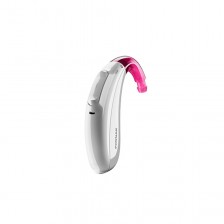
Hearing aids not only improve hearing but also help keep the brain active. Their use can reduce the risk of isolation and support daily communication.
3. Maintain an active social life
Talking, participating in activities, and maintaining social relationships are key to stimulating the brain.
4. Physical and mental exercise
Activities such as walking, reading, or doing memory games help preserve cognitive functions.
5. Adapting the environment
Reducing background noise, improving lighting, and facilitating communication at home can make a big difference.
Taking care of hearing should not be seen as something isolated, but as part of a global approach to healthy aging. Maintaining good hearing health contributes not only to better hearing, but also to better thinking, better relationships, and greater independence.
Ultimately, paying attention to hearing in older age is an investment in quality of life. Detecting, treating, and supporting this process can make a significant difference in present and future well-being.
Related Products